


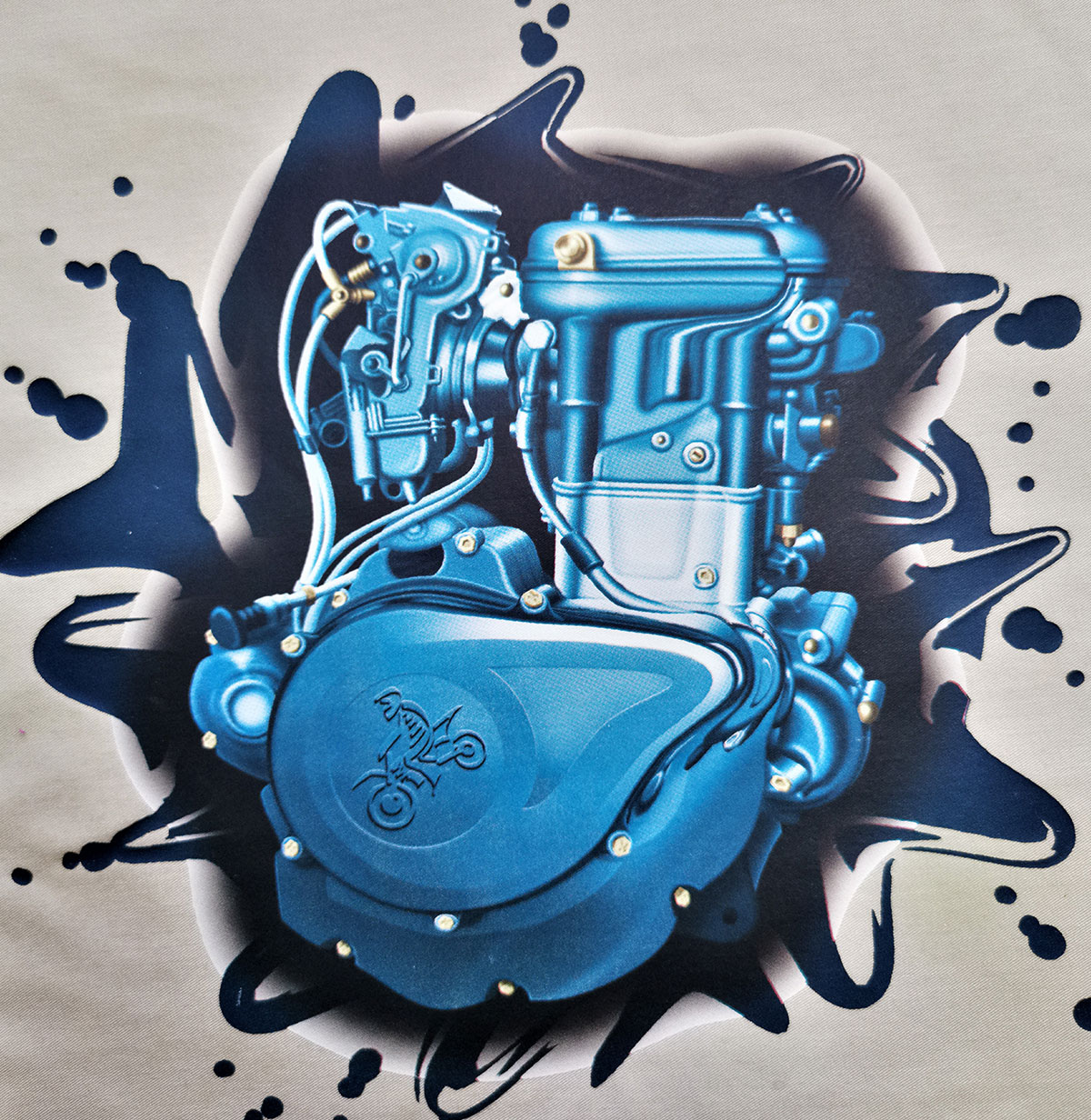
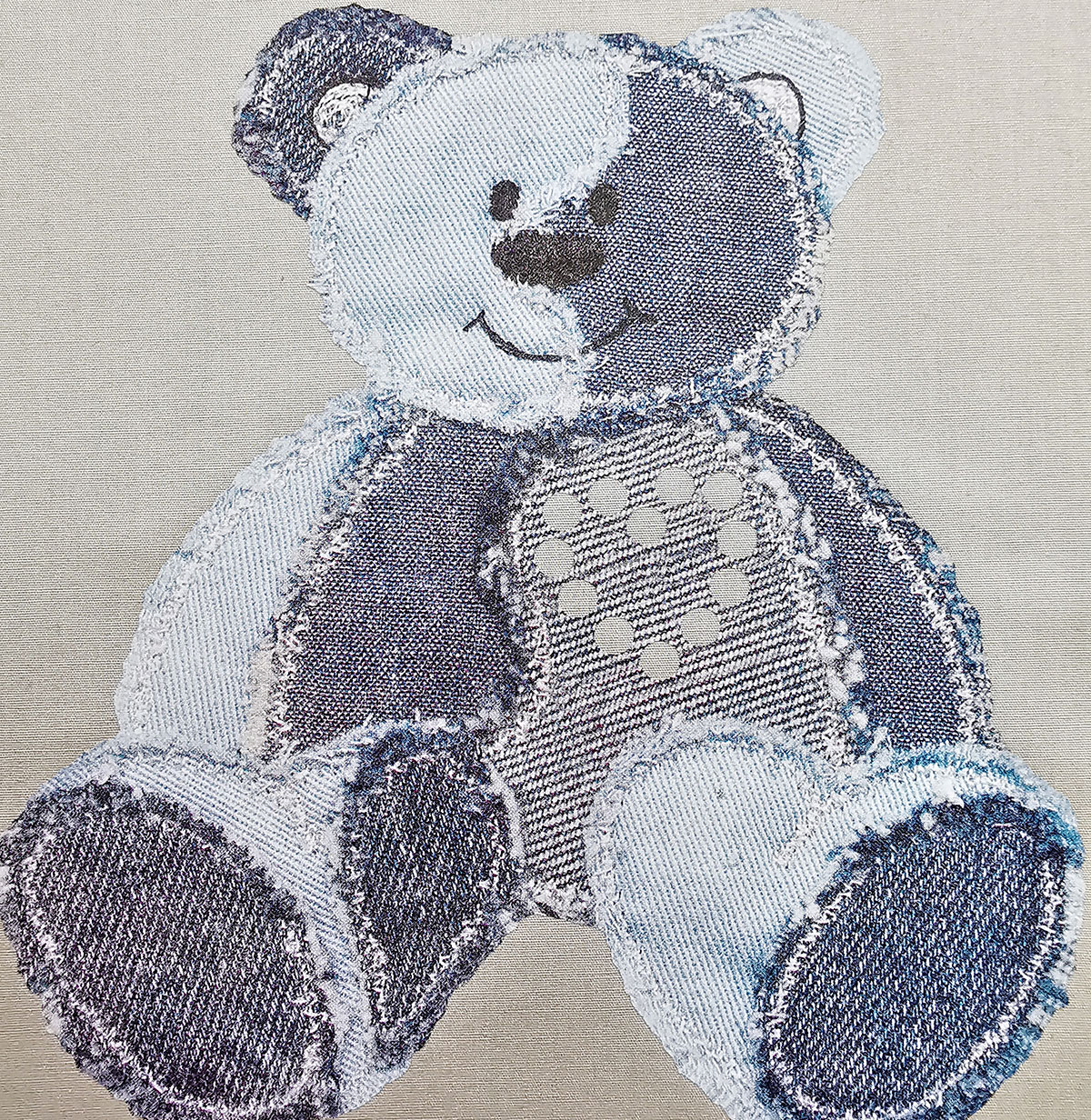
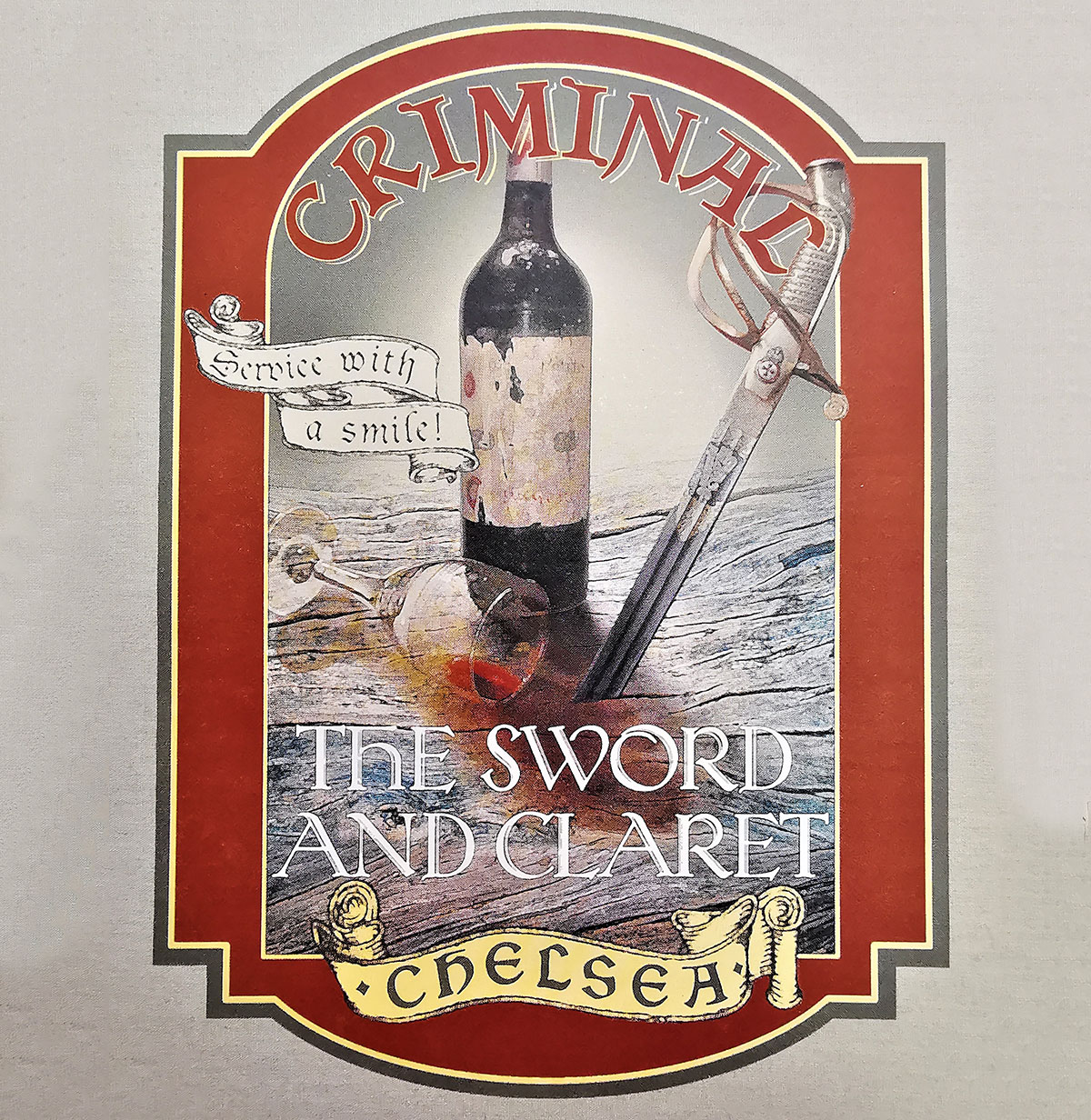
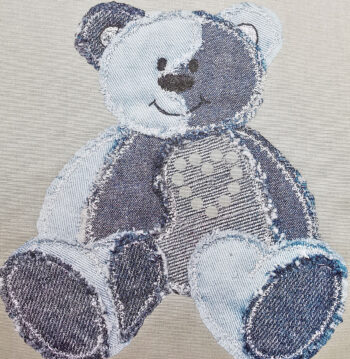

4-color process photographic heat transfe
Από το 1988 – Εξειδίκευση στα Θερμομεταφερόμενα Τυπώματα
4 Color Process Photographic Heat Transfers are widely used in the apparel industry for creating realistic and detailed images on garments, such as t-shirts, hoodies, and hats, as well as on other promotional items. This method offers a durable and long-lasting way to apply intricate, multi-colored designs to a wide range of products.
The 4-color process photographic heat transfers, also known as CMYK process printing, is a method used to print full-color images onto various items, including textiles and garments. This process utilizes the four basic colors of Cyan, Magenta, Yellow, and black to recreate the full spectrum of colors in a photographic image.
Here’s a breakdown of how it works and why it’s used:
How It Works:
1. Design Creation: The first step involves creating a digital design in a graphic design software like Adobe Illustrator, CorelDRAW, or a similar vector-based program. Vector graphics are preferred for their scalability and clean edges. This design can include logos, text, graphics, or any other imagery that is intended to be transferred onto the substrate.
Design Considerations: Keep in mind the end use of the product. Factors like the fabric type, color, and intended use of the item can influence design elements like color choices and complexity.
2. Separation of Colors: The original image is separated into four primary color components – Cyan, Magenta, Yellow, and Black. This is done digitally, with each color representing a separate layer that will be printed one on top of the other.
3. Printing on Transfer Carrier: The design is then printed with the screen printing technique onto a special heat transfer paper or directly onto a special clear polyester film using this four base inks. For each of the four colors, a separate screen is prepared. Each screen allows ink of its specific color to pass through and be transferred onto the silicone transfer carrier. The inks are applied in layers, starting with the darkest color and ending with the lightest (usually yellow). The overlay of these colors in varying densities and patterns recreates the complex colors and details of the original image.
4. White Layering: When the printing of the four colors is completed, white ink is printed behind the entire design as a base for two main reasons. The first is to encapsulate the raster of the four colors so they can be safely transferred onto the fabric, and the second is to provide the brightness needed for the design on dark fabrics.
5. Heat transfer adhesive Layering: In specific cases of temperature-sensitive or difficult, rough and hard fabrics, an additional process may be required, during which a layer of heat transfer adhesive in powder form is added at the bottom of the transfer for better adhesion to the fabric.
6. Curing the Ink and the adhesive: After printing, the ink and the adhesive on the carrier (paper or film) are partially cured (or gelled) using a heat source e.g., an oven, but not fully solidified. This step is crucial because it ensures that both the ink and the adhesive will fully transfer and adhere to the fabric during the heat press process. As a result, this technique guarantees that the plastisol inks form a durable, long-lasting finish on the fabric.
7. Heat Transfer Process: After the design is screen printed onto the carrier (paper or film) and it has dried and fixed in the oven, is then placed adhesive-side down on the garment and pressed using a heat press. The press applies heat and pressure, which causes the activation of the adhesive bonding the design to the fabric. This method allows for the detailed and vibrant designs characteristic of screen printing to be transferred efficiently onto the fabric. The temperature, time and pressure settings are critical and vary based on the fabric type and the specific ink used.
8. Peeling Off the Carrier: After the heat transfer application, the carrier (paper or film) is peeled away while hot or cold (depending on the type of transfer carrier and ink used), leaving the design permanently embedded on the fabric.
9. Final Appearance: The final result is a vibrant, beautiful design on the fabric, which stands out due to its photographic quality. The design is also durable and able to withstand washing and wear.